Frequently Asked Questions
How do underfloor heating engineers diagnose faults?
Underfloor heating engineers diagnose faults by conducting thorough inspections of the system, checking for issues such as leaks, blockages, and electrical failures, often using specialized tools and techniques to identify the root cause efficiently.
What safety protocols do underfloor heating engineers follow?
Underfloor heating engineers follow strict safety protocols, including adhering to electrical and plumbing regulations, using personal protective equipment (PPE), and ensuring proper system isolation during installation and maintenance to prevent accidents and ensure a safe working environment.
Are underfloor heating systems energy-efficient and eco-friendly?
Underfloor heating systems are energy-efficient and eco-friendly. They distribute heat evenly, allowing for lower energy consumption and reduced carbon footprints, making them a sustainable choice for modern heating solutions.
Can underfloor heating systems be installed in old homes?
Underfloor heating systems can indeed be installed in old homes. Both retro-fit options and electric systems are available, allowing for efficient heating solutions without significant disruption to the existing structure.
Can underfloor heating be installed under wooden floors?
Underfloor heating can indeed be installed under wooden floors. However, it is essential to choose the right type of system and ensure proper installation to prevent damage to the wood and maintain efficiency.
What types of underfloor heating systems are available?
The types of underfloor heating systems available are primarily wet systems, which use water to heat the floor, and electric systems, which utilize electric heating mats or cables. Both options provide efficient and comfortable heating solutions.
What qualifications do underfloor heating engineers need?
Underfloor heating engineers need relevant qualifications, including a Level 2 or 3 Diploma in Plumbing or Heating, specific training in underfloor heating systems, and certifications in gas safety if working with gas systems.
What tools do underfloor heating engineers typically use?
Underfloor heating engineers typically use a variety of tools, including pipe cutters, thermal imaging cameras, manifold tools, and pressure testing equipment, to ensure precise installation and maintenance of heating systems.
What are the benefits of hiring an underfloor heating engineer?
The benefits of hiring an underfloor heating engineer include expert knowledge for efficient installation, ensuring compliance with safety standards, and providing tailored solutions that enhance system performance and energy efficiency.
How does underfloor heating system to warm a room work?
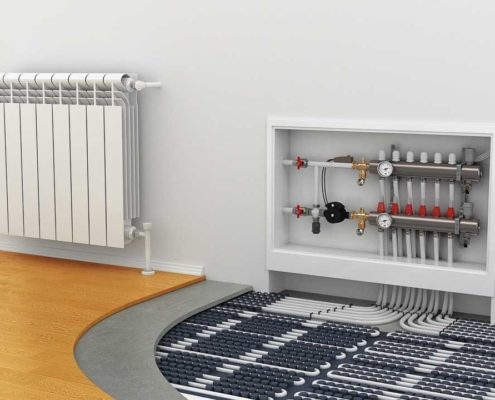
Underfloor heating systems work by distributing warmth evenly across the floor surface, either through warm water circulating in pipes (wet systems) or electric heating mats (electric systems). This gentle heat rises, warming the room efficiently and comfortably.
What does an underfloor heating engineer typically do?
An underfloor heating engineer typically installs, services, and maintains underfloor heating systems, ensuring they operate efficiently. They assess the space, recommend suitable systems, and troubleshoot any issues to provide optimal comfort and energy efficiency.
What are the responsibilities of an underfloor heating engineer?
The responsibilities of an underfloor heating engineer include designing, installing, and maintaining underfloor heating systems, ensuring proper functionality, energy efficiency, and compliance with safety standards. They also troubleshoot issues and provide guidance on system operation.
Can underfloor heating engineers work on existing systems?
Underfloor heating engineers can indeed work on existing systems. They are skilled in assessing, servicing, and upgrading both wet and electric underfloor heating setups to ensure optimal performance and efficiency.
How do I become an underfloor heating engineer?
Becoming an underfloor heating engineer involves completing relevant training and qualifications in plumbing or heating engineering, gaining practical experience, and obtaining certifications specific to underfloor heating systems.
What are the skills required for an underfloor heating engineer?
The skills required for an underfloor heating engineer include strong technical knowledge of heating systems, proficiency in installation and maintenance, problem-solving abilities, attention to detail, and effective communication skills to work with clients and team members.
Can underfloor heating be installed in bathrooms and kitchens?
Underfloor heating can indeed be installed in bathrooms and kitchens. Both wet and electric systems are suitable for these areas, providing efficient warmth and comfort while enhancing the overall aesthetic.
Do underfloor heating engineers need liability insurance?
Underfloor heating engineers need liability insurance to protect themselves and their clients from potential claims arising from accidents or damages during installation or maintenance work. This insurance is essential for ensuring peace of mind and professional accountability.
What kind of training do underfloor heating engineers undergo?
Underfloor heating engineers undergo specialized training that includes understanding heating system design, installation techniques, and safety regulations. They often complete relevant certifications and practical experience to ensure efficient and safe installation and maintenance of these systems.
What are the advantages of underfloor heating engineers services?
The advantages of underfloor heating engineers' services include expert installation, ensuring optimal system performance, energy efficiency, and enhanced comfort. Their knowledge helps prevent common issues, providing peace of mind and long-term savings on heating costs.
How long does underfloor heating installation take to complete?
The duration of underfloor heating installation can vary, but typically it takes between 1 to 3 days, depending on the system type and the complexity of the installation.
Are underfloor heating systems difficult to maintain and repair?
Underfloor heating systems are generally easy to maintain and repair. Regular servicing ensures optimal performance, and any necessary repairs can often be carried out without extensive disruption to your flooring.
What common issues do underfloor heating systems face?
Common issues faced by underfloor heating systems include uneven heating, air trapped in the pipes, and thermostat malfunctions. Regular maintenance and proper installation can help mitigate these problems, ensuring optimal performance and comfort.
How can I maintain my underfloor heating system?
Maintaining your underfloor heating system involves regular checks of the thermostat settings, ensuring the system is free from obstructions, and scheduling annual professional servicing to optimize efficiency and longevity.
What is the lifespan of underfloor heating systems?
The lifespan of underfloor heating systems is typically around 25 to 50 years, depending on the type of system and installation quality. Proper maintenance can further extend their longevity, ensuring consistent performance over time.
How do underfloor heating systems compare to radiators?
Underfloor heating systems offer a more even heat distribution and improved energy efficiency compared to traditional radiators, which can create hot spots and require higher temperatures to heat a room effectively.
What are the installation costs for underfloor heating?
The installation costs for underfloor heating vary based on factors such as the type of system (wet or electric), the size of the area, and installation complexity. On average, costs can range from £50 to £100 per square metre.
Can underfloor heating systems be repaired easily?
Underfloor heating systems can be repaired, but the ease of repair depends on the type of system and the specific issue. Generally, professional assistance is recommended to ensure the repair is done correctly and efficiently.
What energy sources can power underfloor heating?
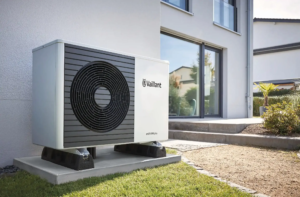
The energy sources that can power underfloor heating include electricity for electric systems and hot water from a boiler or heat pump for wet systems. Both options provide efficient and effective heating solutions.
How do I choose the right underfloor heating system?
Choosing the right underfloor heating system involves considering factors such as your property type, insulation levels, and whether you're opting for a wet or electric system. Consulting with a professional can help ensure the best fit for your needs.
What are the latest innovations in underfloor heating technology?
The latest innovations in underfloor heating technology include smart thermostats for precise temperature control, energy-efficient heat pumps, and advanced insulation materials that enhance system performance and reduce energy consumption. These developments ensure greater comfort and sustainability in heating solutions.