Gas Safety Inspections (CP12)



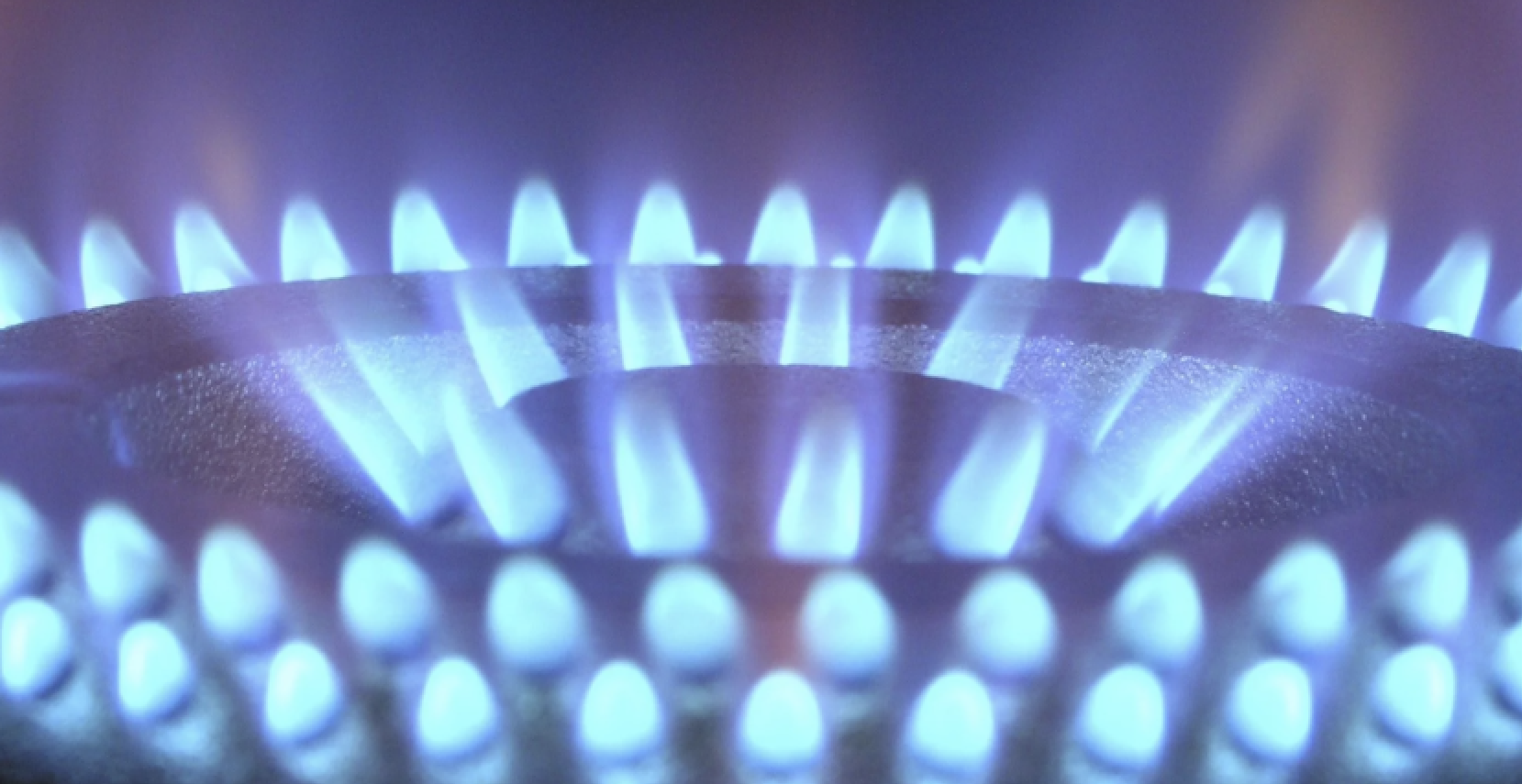
Safety First: Faulty gas appliances can lead to serious risks like gas leaks, fires, and carbon monoxide poisoning. Inspections help identify and resolve potential hazards, ensuring tenant safety.
Energy Efficiency: Well-maintained appliances operate more efficiently, reducing energy bills and environmental impact.
Cost Savings: Early identification of issues prevents small problems from becoming expensive repairs, extending the lifespan of your appliances.
Insurance Compliance: Many insurers require proof of regular gas safety checks. Non-compliance could risk your coverage in the event of a claim.
Peace of Mind: Regular inspections ensure your gas appliances are working correctly, reducing the chance of unexpected breakdowns and ensuring a safe living environment.
Legal Compliance: Keeping up-to-date gas safety records shows your commitment to safety and legal obligations, which can help secure tenants or buyers.
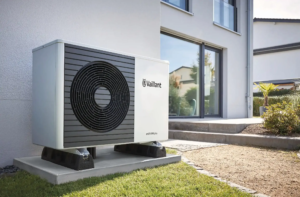
Heat Pumps Cambridge – As an Mcs Accredited Business we can obtain a £7500 Government Grant on your behalf. There is also no VAT to pay on the whole installation saving you thousands on your step towards a greener home and environment.
Air conditioning is becoming more popular in the UK than ever, our F-GAS engineers can install air conditioning in your home with 0% VAT. Wether your looking for one room or the whole house, get in touch today for a free quotation!

Our retro-fit solutions start from as little as 15mm Thick!
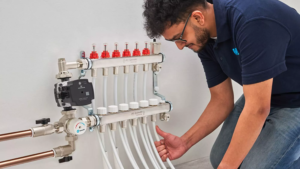
We can install your underfloor heating at 0% VAT if you have it carried out alongside your heat pump installation.
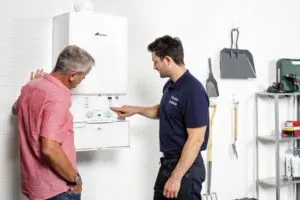
Cambs Heating Offer a variety of services for your boiler and central heating system including repairs, servicing, Gas Safety inspections, System Flushing, Smart Control Upgrades, and more.
This site uses cookies. By continuing to browse the site, you are agreeing to our use of cookies.
Accept AllSettingsWe may request cookies to be set on your device. We use cookies to let us know when you visit our websites, how you interact with us, to enrich your user experience, and to customize your relationship with our website.
Click on the different category headings to find out more. You can also change some of your preferences. Note that blocking some types of cookies may impact your experience on our websites and the services we are able to offer.
These cookies are strictly necessary to provide you with services available through our website and to use some of its features.
Because these cookies are strictly necessary to deliver the website, refusing them will have impact how our site functions. You always can block or delete cookies by changing your browser settings and force blocking all cookies on this website. But this will always prompt you to accept/refuse cookies when revisiting our site.
We fully respect if you want to refuse cookies but to avoid asking you again and again kindly allow us to store a cookie for that. You are free to opt out any time or opt in for other cookies to get a better experience. If you refuse cookies we will remove all set cookies in our domain.
We provide you with a list of stored cookies on your computer in our domain so you can check what we stored. Due to security reasons we are not able to show or modify cookies from other domains. You can check these in your browser security settings.
These cookies collect information that is used either in aggregate form to help us understand how our website is being used or how effective our marketing campaigns are, or to help us customize our website and application for you in order to enhance your experience.
If you do not want that we track your visit to our site you can disable tracking in your browser here:
We also use different external services like Google Webfonts, Google Maps, and external Video providers. Since these providers may collect personal data like your IP address we allow you to block them here. Please be aware that this might heavily reduce the functionality and appearance of our site. Changes will take effect once you reload the page.
Google Webfont Settings:
Google Map Settings:
Google reCaptcha Settings:
Vimeo and Youtube video embeds:
The following cookies are also needed - You can choose if you want to allow them:
You can read about our cookies and privacy settings in detail on our Privacy Policy Page.
Privacy Policy Cambs Heating Ltd


















ventilation, gas safe register, carbon monoxide, safety, flue, central heating, pipe, air source heat pump, pump, heat pump, leak, pressure, oxygen, gas detector, boiler, energy, valve, risk, gas leak, hazard, corrosion, landlord, exhaust gas, schedule service, emissions
safety inspection cambridge, gas tightness test cambridge, gas safety certificate cambridge, inspection cambridge, boiler service cambridge